Chin Hair in Women: It May Not Be “Just Hair” — Your Hormones Could Be Talking
Chin Hair in Women: It May Not Be “Just Hair” — Your Hormones Could Be Talking
Chin hair in women can feel frustrating, confusing, and even embarrassing. For some women, it starts as one stubborn strand. Then a few more appear around the chin, jawline, upper lip, chest, or stomach.
Many women remove the hair and move on. But sometimes, chin hair is not just a beauty issue. It may be a sign that your hormones are trying to communicate something deeper.
In many cases, unwanted coarse hair in women may be linked to higher androgen activity. Androgens are hormones such as testosterone and DHEA-S. Women naturally produce these hormones too, but when they become too high or too active, they may show up through symptoms such as chin hair, acne, oily skin, irregular periods, scalp hair thinning, and changes in body hair growth.
This is why chin hair should not always be ignored. It may be a small outward sign of a bigger internal hormone pattern.
What Is the Link Between Chin Hair and PMOS/PCOS?
Many people are familiar with the term PCOS, which stands for polycystic ovary syndrome. Online, some people also use the term PMOS to describe a wider metabolic and hormonal imbalance pattern.
Whether you call it PCOS, PMOS, or hormonal imbalance, the deeper issue is often the same: the body’s hormone system is not working smoothly.
The ovaries, insulin, adrenal glands, thyroid, stress hormones, and reproductive hormones all communicate with each other. When this communication becomes disturbed, the effects can show up on the skin, hair, cycle, weight, mood, and energy levels.
For some women, chin hair may be linked to high androgen activity. For others, it may be connected to insulin resistance, stress, poor ovulation, thyroid imbalance, or a combination of several hormone shifts.
In simple terms, chin hair may be your body saying:
“Do not only remove the hair. Look at the hormone environment behind it.”
The Main Hormones That Need to Be in Check
1. Testosterone
Testosterone is often the first hormone people think about when chin hair appears.
Women need testosterone too. It supports energy, libido, mood, muscle tone, and confidence. But when testosterone becomes too high, or when the body becomes too sensitive to it, it may contribute to unwanted symptoms.
High androgen activity may show up as:
- Chin hair
- Jawline acne
- Oily skin
- Irregular periods
- Scalp hair thinning
- Stronger body hair
- Increased breakouts before periods
This is why women with chin hair may need to check testosterone levels, especially if the hair is becoming thicker, darker, or spreading.
2. DHEA-S
DHEA-S is another androgen hormone. It is made mostly by the adrenal glands.
This is important because not all chin hair is purely an ovary issue. Sometimes, the adrenal glands are involved too. The adrenal glands are connected to stress, sleep, energy, and the body’s response to pressure.
When DHEA-S is high, some women may notice:
- Chin hair
- Jawline acne
- Wired but tired energy
- Poor sleep
- Anxiety-like feelings
- Hormonal breakouts
- Irregular cycles
This is where stress becomes part of the conversation. Sometimes chin hair is not only about the ovaries. It may also involve the adrenal stress pathway.
3. Insulin
Insulin is one of the most important hormones to understand when talking about PCOS, PMOS, chin hair, cravings, belly weight, and irregular periods.
Insulin helps move sugar from the blood into the cells for energy. But when the body becomes insulin resistant, the cells do not respond to insulin properly. The body may then produce more insulin to compensate.
High insulin can influence the ovaries and may encourage the production of more androgens. This is one reason some women with insulin resistance also struggle with chin hair, acne, irregular cycles, and weight around the belly.
Signs that insulin may be part of the issue include:
- Sugar cravings
- Belly weight
- Fatigue after eating
- Skin tags
- Dark patches on the skin
- Irregular periods
- Crashes in energy
- Cravings for bread, sweets, or snacks
This is why chin hair should not only be seen as a skin problem. In some women, it may be connected to blood sugar and insulin balance.
4. Cortisol
Cortisol is known as the stress hormone.
Cortisol itself may not be the direct cause of chin hair, but it can disturb the wider hormone system. When stress is constant, the body may struggle with blood sugar control, sleep, cravings, inflammation, and adrenal hormone balance.
When cortisol is constantly high or poorly regulated, a woman may experience:
- Poor sleep
- Anxiety
- Belly weight
- Sugar cravings
- Fatigue
- Mood swings
- Hormonal breakouts
- Irregular cycles
This is why stress management is not just emotional advice. It is hormone support.
Chin hair may be showing on the face, but the deeper conversation may be happening in stress, sleep, insulin, and adrenal balance.
5. Thyroid Hormones
The thyroid controls metabolism, energy, temperature, skin, hair, and menstrual rhythm.
When thyroid hormones are not balanced, a woman may experience symptoms that overlap with PCOS-like patterns.
Possible signs of thyroid imbalance include:
- Fatigue
- Weight changes
- Hair thinning
- Dry skin
- Feeling cold
- Low mood
- Irregular periods
- Slow metabolism
For women with chin hair and irregular cycles, thyroid health should not be ignored.
6. Prolactin
Prolactin is commonly known as the breastfeeding hormone. However, prolactin can also affect menstrual cycles and ovulation.
When prolactin is high outside pregnancy or breastfeeding, it may contribute to:
- Irregular periods
- Missed periods
- Fertility struggles
- Breast tenderness
- Breast discharge
- Low libido
This is why not every woman with chin hair should assume it is automatically PCOS. Hormone testing gives a clearer picture.
7. Estrogen and Progesterone
Estrogen and progesterone are two key reproductive hormones.
Progesterone rises after ovulation. If a woman is not ovulating regularly, progesterone may become low. This can create a hormonal environment where PMS, heavy periods, mood changes, bloating, and irregular cycles become more noticeable.
Low progesterone or poor ovulation may show up as:
- PMS
- Breast tenderness
- Mood swings
- Heavy periods
- Spotting
- Irregular cycles
- Bloating
- Difficulty tracking ovulation
For women with chin hair, the issue is not always only “too much testosterone.” It may also involve poor ovulation, low progesterone, insulin resistance, and stress imbalance working together.
What Should a Woman Check?
If chin hair is increasing, especially alongside acne, irregular periods, weight changes, or fertility concerns, it may be helpful to speak to a healthcare provider and ask about hormone and metabolic testing.
Useful checks may include:
- Total testosterone
- Free testosterone
- DHEA-S
- Fasting insulin
- Fasting glucose
- HbA1c
- Thyroid panel
- Prolactin
- Vitamin D
- LH and FSH
- Progesterone, depending on cycle timing
Testing helps you avoid guessing. It also helps you understand whether the main issue is androgen-related, insulin-related, adrenal-related, thyroid-related, or cycle-related.
What Can Support the Body Naturally?
A hormone-friendly routine should focus on the root environment, not just the visible symptom.
For Chin Hair and Oily Skin
Women with chin hair, oily skin, and acne may benefit from supporting healthy androgen balance.
A supportive routine may include:
- Spearmint tea
- Spearmint capsules https://vobyltea.com/?s=Spearmint+capsules+&post_type=product
- Inositol
- Magnesium
- Zinc
- Omega-3
- PCOS tea
Spearmint is often used in wellness routines for women who want to support a more hormone-conscious lifestyle.
For Chin Hair and Sugar Cravings
If chin hair appears together with sugar cravings, belly weight, fatigue after meals, or irregular periods, insulin may be part of the picture.
A supportive routine may include:
- Inositol
- Berberine
- Magnesium
- Blood sugar support supplements
- Cinnamon-based blends
- High-fiber foods
- Protein-rich meals
The goal is not starvation. The goal is stable blood sugar.
For Chin Hair and Stress
If chin hair appears together with poor sleep, anxiety, cravings, and feeling tired but wired, the stress pathway may need support.
A supportive routine may include:
- Magnesium glycinate
- Ashwagandha
- Chamomile tea
- Valerian
- L-theanine
- Better sleep habits
- Reduced caffeine overload
Stress support is hormone support.
For Chin Hair and Irregular Periods
If chin hair appears together with irregular periods, missed periods, or PMS, the cycle needs attention.
A supportive routine may include:
- PCOS tea
- Inositol
- Vitex
- Spearmint
- Vitamin D3 + K2
- Magnesium
- Omega-3
The aim is to support a cycle-friendly and hormone-conscious routine.
Foods That Support a Healthier Hormone Environment
Food plays a major role in hormone balance, especially when insulin, cravings, inflammation, and PCOS-like symptoms are involved.
A hormone-friendly plate may include:
- Protein with every meal
- Eggs
- Fish
- Beans and lentils
- Leafy greens
- Avocado
- Pumpkin seeds
- Flaxseeds
- Chia seeds
- Fermented foods
- Cinnamon
- High-fiber vegetables
- Whole foods instead of refined sugar
For women with chin hair linked to insulin resistance, the goal is to reduce blood sugar spikes and support steady energy throughout the day.
What Should You Avoid Doing?
Do not only pluck the hair and ignore the pattern.
Hair removal can help manage the outside, but the inside still needs attention. If the hair is becoming thicker, darker, or spreading, especially with acne or irregular periods, it is worth investigating.
Also avoid extreme detoxes, crash diets, and random hormone pills without testing. Hormones need direction, not panic.
Shop the Hormone-Support Routine
For chin hair and acne, consider:
- Spearmint tea https://vobyltea.com/shop/herbs/spearmint-tea-50-teabags/?srsltid=AfmBOopX9DtCGbUTDbECrqQ_dBpWrX7joFfh2Lo5OAb_NVHlMxprpVTl
- Inositol https://vobyltea.com/shop/supplements/inositol-myo-and-d-chiro/
- Magnesium https://vobyltea.com/shop/supplements/magnesium-glycinate-120mg/
- Zinc https://vobyltea.com/shop/deals-of-the-day/z-m-a/
For chin hair and cravings, consider:
- Berberinehttps://vobyltea.com/shop/deals-of-the-day/berberine-capsules/
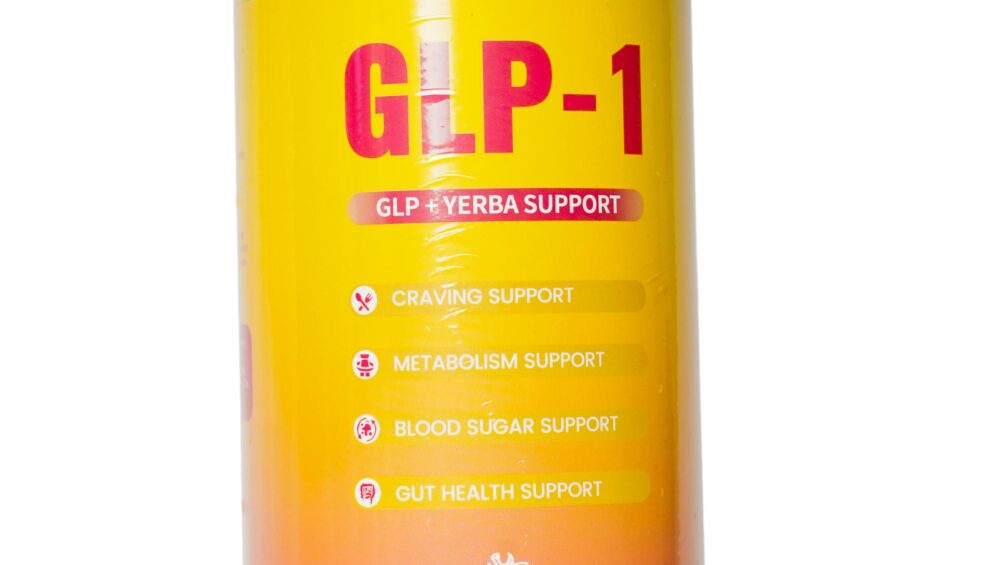
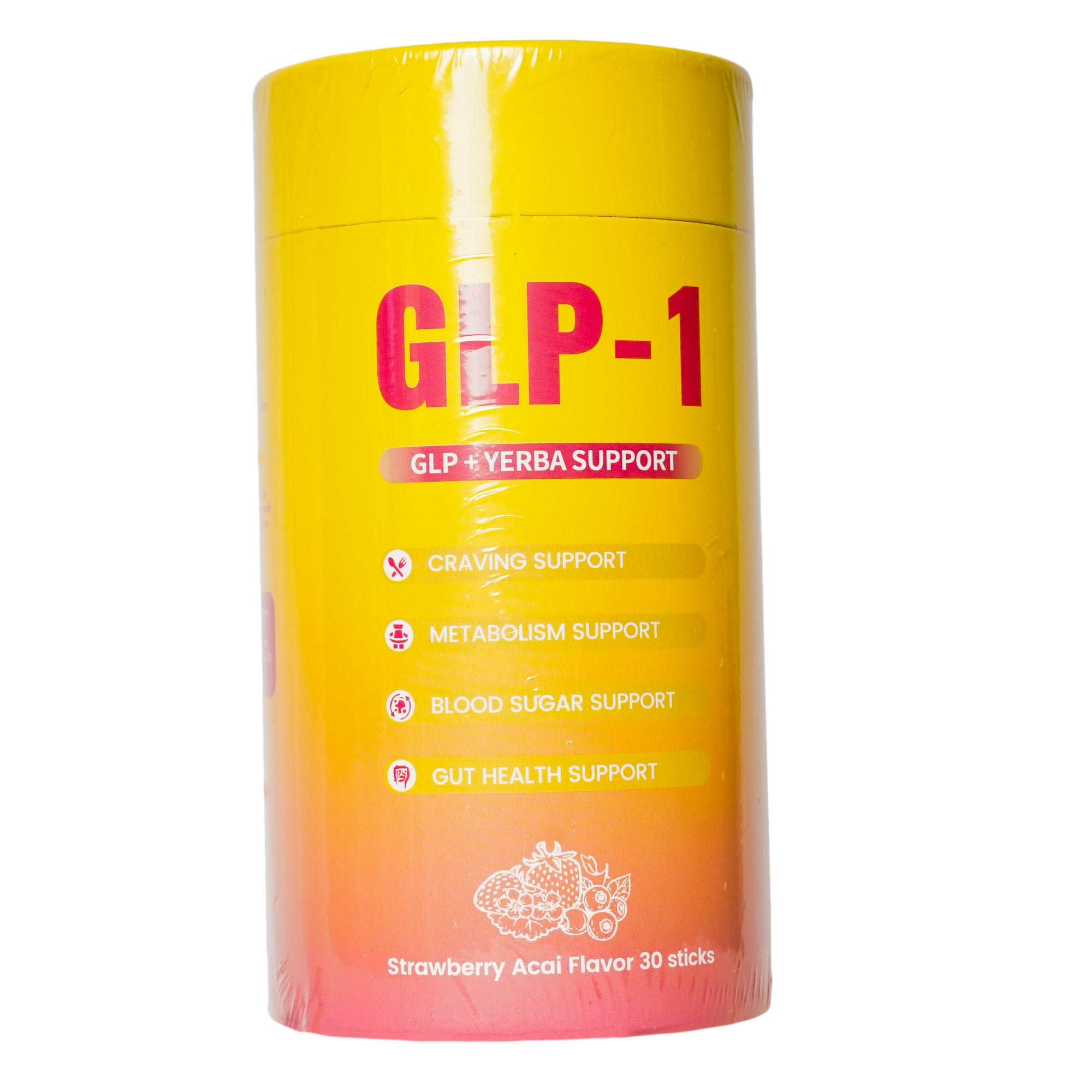
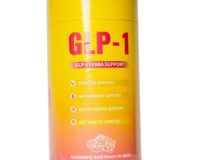
- GLP-1 https://vobyltea.com/shop/deals-of-the-day/glp-1/
- Inositol
- Blood sugar support https://vobyltea.com/shop/supplements/blood-sugar-support/
- Cinnamon-based blends https://vobyltea.com/shop/deals-of-the-day/ceylon-cinamon/
For chin hair and stress, consider:
- Ashwagandha https://vobyltea.com/shop/supplements/ashwagandha-gummies/
- Magnesium glycinate https://vobyltea.com/shop/supplements/magnesium-glycinate-120mg/
- Chamomile https://vobyltea.com/shop/deals-of-the-day/chamomile-tea/
- Valerianhttps://vobyltea.com/shop/supplements/valerian-root-capsules/
For chin hair and irregular cycles, consider:
- PCOS tea https://vobyltea.com/shop/herbs/pcos-tea/
- Inositol
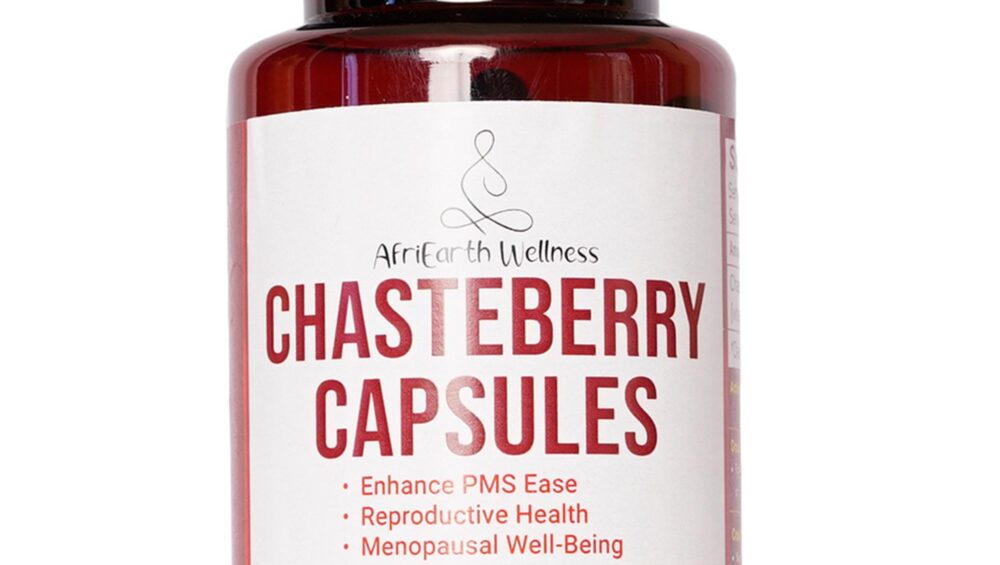
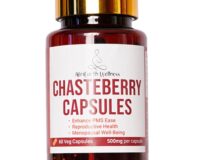
- Vitex https://vobyltea.com/shop/supplements/chasteberry-capsules/
- Vitamin D3 + K2 https://vobyltea.com/shop/supplements/vitamin-d3k2/
- Spearmint
Final Thoughts
Chin hair is not always just a beauty problem.
Sometimes it is a signal that the body wants you to look deeper into androgens, insulin, stress, thyroid function, prolactin, ovulation, and overall hormone rhythm.
So yes, remove the hair if you want to. But also ask the deeper question:
“What hormone pattern is my body trying to show me?”
At Vobyl Tea & Wellness, we believe women deserve to understand their bodies beyond surface symptoms. Support your hormone-friendly lifestyle with carefully selected teas and supplements designed to fit into your everyday wellness routine.
Shop hormone-friendly teas and supplements at: