Free delivery in Nairobi for orders over sh. 10,000

Chin Hair in Women: It May Not Be “Just Hair” — Your Hormones Could Be Talking

Chin Hair in Women: It May Not Be “Just Hair” — Your Hormones Could Be Talking

Chin hair in women can feel frustrating, confusing, and even embarrassing. For some women, it starts as one stubborn strand. Then a few more appear around the chin, jawline, upper lip, chest, or stomach.

Many women remove the hair and move on. But sometimes, chin hair is not just a beauty issue. It may be a sign that your hormones are trying to communicate something deeper.

In many cases, unwanted coarse hair in women may be linked to higher androgen activity. Androgens are hormones such as testosterone and DHEA-S. Women naturally produce these hormones too, but when they become too high or too active, they may show up through symptoms such as chin hair, acne, oily skin, irregular periods, scalp hair thinning, and changes in body hair growth.

This is why chin hair should not always be ignored. It may be a small outward sign of a bigger internal hormone pattern.

What Is the Link Between Chin Hair and PMOS/PCOS?

Many people are familiar with the term PCOS, which stands for polycystic ovary syndrome. Online, some people also use the term PMOS to describe a wider metabolic and hormonal imbalance pattern.

Whether you call it PCOS, PMOS, or hormonal imbalance, the deeper issue is often the same: the body’s hormone system is not working smoothly.

The ovaries, insulin, adrenal glands, thyroid, stress hormones, and reproductive hormones all communicate with each other. When this communication becomes disturbed, the effects can show up on the skin, hair, cycle, weight, mood, and energy levels.

For some women, chin hair may be linked to high androgen activity. For others, it may be connected to insulin resistance, stress, poor ovulation, thyroid imbalance, or a combination of several hormone shifts.

In simple terms, chin hair may be your body saying:

“Do not only remove the hair. Look at the hormone environment behind it.”

The Main Hormones That Need to Be in Check

1. Testosterone

Testosterone is often the first hormone people think about when chin hair appears.

Women need testosterone too. It supports energy, libido, mood, muscle tone, and confidence. But when testosterone becomes too high, or when the body becomes too sensitive to it, it may contribute to unwanted symptoms.

High androgen activity may show up as:

  • Chin hair
  • Jawline acne
  • Oily skin
  • Irregular periods
  • Scalp hair thinning
  • Stronger body hair
  • Increased breakouts before periods

This is why women with chin hair may need to check testosterone levels, especially if the hair is becoming thicker, darker, or spreading.

2. DHEA-S

DHEA-S is another androgen hormone. It is made mostly by the adrenal glands.

This is important because not all chin hair is purely an ovary issue. Sometimes, the adrenal glands are involved too. The adrenal glands are connected to stress, sleep, energy, and the body’s response to pressure.

When DHEA-S is high, some women may notice:

  • Chin hair
  • Jawline acne
  • Wired but tired energy
  • Poor sleep
  • Anxiety-like feelings
  • Hormonal breakouts
  • Irregular cycles

This is where stress becomes part of the conversation. Sometimes chin hair is not only about the ovaries. It may also involve the adrenal stress pathway.

3. Insulin

Insulin is one of the most important hormones to understand when talking about PCOS, PMOS, chin hair, cravings, belly weight, and irregular periods.

Insulin helps move sugar from the blood into the cells for energy. But when the body becomes insulin resistant, the cells do not respond to insulin properly. The body may then produce more insulin to compensate.

High insulin can influence the ovaries and may encourage the production of more androgens. This is one reason some women with insulin resistance also struggle with chin hair, acne, irregular cycles, and weight around the belly.

Signs that insulin may be part of the issue include:

  • Sugar cravings
  • Belly weight
  • Fatigue after eating
  • Skin tags
  • Dark patches on the skin
  • Irregular periods
  • Crashes in energy
  • Cravings for bread, sweets, or snacks

This is why chin hair should not only be seen as a skin problem. In some women, it may be connected to blood sugar and insulin balance.

4. Cortisol

Cortisol is known as the stress hormone.

Cortisol itself may not be the direct cause of chin hair, but it can disturb the wider hormone system. When stress is constant, the body may struggle with blood sugar control, sleep, cravings, inflammation, and adrenal hormone balance.

When cortisol is constantly high or poorly regulated, a woman may experience:

  • Poor sleep
  • Anxiety
  • Belly weight
  • Sugar cravings
  • Fatigue
  • Mood swings
  • Hormonal breakouts
  • Irregular cycles

This is why stress management is not just emotional advice. It is hormone support.

Chin hair may be showing on the face, but the deeper conversation may be happening in stress, sleep, insulin, and adrenal balance.

5. Thyroid Hormones

The thyroid controls metabolism, energy, temperature, skin, hair, and menstrual rhythm.

When thyroid hormones are not balanced, a woman may experience symptoms that overlap with PCOS-like patterns.

Possible signs of thyroid imbalance include:

  • Fatigue
  • Weight changes
  • Hair thinning
  • Dry skin
  • Feeling cold
  • Low mood
  • Irregular periods
  • Slow metabolism

For women with chin hair and irregular cycles, thyroid health should not be ignored.

6. Prolactin

Prolactin is commonly known as the breastfeeding hormone. However, prolactin can also affect menstrual cycles and ovulation.

When prolactin is high outside pregnancy or breastfeeding, it may contribute to:

  • Irregular periods
  • Missed periods
  • Fertility struggles
  • Breast tenderness
  • Breast discharge
  • Low libido

This is why not every woman with chin hair should assume it is automatically PCOS. Hormone testing gives a clearer picture.

7. Estrogen and Progesterone

Estrogen and progesterone are two key reproductive hormones.

Progesterone rises after ovulation. If a woman is not ovulating regularly, progesterone may become low. This can create a hormonal environment where PMS, heavy periods, mood changes, bloating, and irregular cycles become more noticeable.

Low progesterone or poor ovulation may show up as:

  • PMS
  • Breast tenderness
  • Mood swings
  • Heavy periods
  • Spotting
  • Irregular cycles
  • Bloating
  • Difficulty tracking ovulation

For women with chin hair, the issue is not always only “too much testosterone.” It may also involve poor ovulation, low progesterone, insulin resistance, and stress imbalance working together.

What Should a Woman Check?

If chin hair is increasing, especially alongside acne, irregular periods, weight changes, or fertility concerns, it may be helpful to speak to a healthcare provider and ask about hormone and metabolic testing.

Useful checks may include:

  • Total testosterone
  • Free testosterone
  • DHEA-S
  • Fasting insulin
  • Fasting glucose
  • HbA1c
  • Thyroid panel
  • Prolactin
  • Vitamin D
  • LH and FSH
  • Progesterone, depending on cycle timing

Testing helps you avoid guessing. It also helps you understand whether the main issue is androgen-related, insulin-related, adrenal-related, thyroid-related, or cycle-related.

What Can Support the Body Naturally?

A hormone-friendly routine should focus on the root environment, not just the visible symptom.

For Chin Hair and Oily Skin

Women with chin hair, oily skin, and acne may benefit from supporting healthy androgen balance.

A supportive routine may include:

Spearmint is often used in wellness routines for women who want to support a more hormone-conscious lifestyle.

For Chin Hair and Sugar Cravings

If chin hair appears together with sugar cravings, belly weight, fatigue after meals, or irregular periods, insulin may be part of the picture.

A supportive routine may include:

  • Inositol
  • Berberine
  • Magnesium
  • Blood sugar support supplements
  • Cinnamon-based blends
  • High-fiber foods
  • Protein-rich meals

The goal is not starvation. The goal is stable blood sugar.

For Chin Hair and Stress

If chin hair appears together with poor sleep, anxiety, cravings, and feeling tired but wired, the stress pathway may need support.

A supportive routine may include:

  • Magnesium glycinate
  • Ashwagandha
  • Chamomile tea
  • Valerian
  • L-theanine
  • Better sleep habits
  • Reduced caffeine overload

Stress support is hormone support.

For Chin Hair and Irregular Periods

If chin hair appears together with irregular periods, missed periods, or PMS, the cycle needs attention.

A supportive routine may include:

  • PCOS tea
  • Inositol
  • Vitex
  • Spearmint
  • Vitamin D3 + K2
  • Magnesium
  • Omega-3

The aim is to support a cycle-friendly and hormone-conscious routine.

Foods That Support a Healthier Hormone Environment

Food plays a major role in hormone balance, especially when insulin, cravings, inflammation, and PCOS-like symptoms are involved.

A hormone-friendly plate may include:

  • Protein with every meal
  • Eggs
  • Fish
  • Beans and lentils
  • Leafy greens
  • Avocado
  • Pumpkin seeds
  • Flaxseeds
  • Chia seeds
  • Fermented foods
  • Cinnamon
  • High-fiber vegetables
  • Whole foods instead of refined sugar

For women with chin hair linked to insulin resistance, the goal is to reduce blood sugar spikes and support steady energy throughout the day.

What Should You Avoid Doing?

Do not only pluck the hair and ignore the pattern.

Hair removal can help manage the outside, but the inside still needs attention. If the hair is becoming thicker, darker, or spreading, especially with acne or irregular periods, it is worth investigating.

Also avoid extreme detoxes, crash diets, and random hormone pills without testing. Hormones need direction, not panic.

Shop the Hormone-Support Routine

For chin hair and acne, consider:

For chin hair and cravings, consider:

For chin hair and stress, consider:

For chin hair and irregular cycles, consider:

Final Thoughts

Chin hair is not always just a beauty problem.

Sometimes it is a signal that the body wants you to look deeper into androgens, insulin, stress, thyroid function, prolactin, ovulation, and overall hormone rhythm.

So yes, remove the hair if you want to. But also ask the deeper question:

“What hormone pattern is my body trying to show me?”

At Vobyl Tea & Wellness, we believe women deserve to understand their bodies beyond surface symptoms. Support your hormone-friendly lifestyle with carefully selected teas and supplements designed to fit into your everyday wellness routine.

Shop hormone-friendly teas and supplements at:
www.vobyltea.com

 Hormonal Imbalance in Women: Causes, Symptoms & Natural Support in Kenya


Struggling with hormonal imbalance, PCOS, or irregular periods? Learn the real causes and natural solutions using teas and supplements in Kenya.


Introduction

Hormonal imbalance is becoming increasingly common among women in Kenya, affecting everything from menstrual cycles and ovulation to energy levels, skin, and weight.

If you’ve been dealing with irregular periods, acne, fatigue, or difficulty ovulating, the issue may not be isolated.

It is often a sign that your body’s internal systems are out of sync.


What is Hormonal Imbalance?

Hormonal imbalance occurs when there is too much or too little of certain hormones in the body.

The key hormones involved include:

  • Estrogen
  • Progesterone
  • Insulin
  • Cortisol
  • Testosterone

These hormones work together. When one is disrupted, others are affected.


Common Symptoms of Hormonal Imbalance

  • Irregular or missed periods
  • Difficulty ovulating
  • Acne or oily skin
  • Weight gain (especially around the abdomen)
  • Fatigue or low energy
  • Mood swings or anxiety
  • Trouble sleeping

These symptoms are often linked to conditions like PCOS, stress-related hormonal disruption, or metabolic imbalance.


Main Causes of Hormonal Imbalance

1. Blood Sugar & Insulin Resistance

One of the biggest drivers of hormonal imbalance is unstable blood sugar.

High insulin levels can:

  • Disrupt ovulation
  • Increase testosterone
  • Lead to irregular cycles

This is especially common in women with PCOS.


2. Chronic Stress (High Cortisol)

When stress is constant, cortisol remains elevated.

This can:

  • Delay or stop ovulation
  • Disrupt menstrual cycles
  • Reduce progesterone levels

3. Nutrient Deficiency

The body needs nutrients to produce hormones effectively.

Low levels of magnesium, iron, and B vitamins can affect:

  • Energy
  • Cycle regularity
  • Hormonal stability

 Natural Ways to Balance Hormones

1. Herbal Teas for Hormonal Balance

Herbal teas are one of the simplest ways to support the body consistently.

At Vobyl Tea & Wellness, we use carefully selected herbs known for their role in hormonal support.

🌱 PCOS Tea Blend

Supports hormone balance and cycle regulation using:

  • Spearmint – supports androgen balance
  • Guava leaf – supports metabolism
  • Moringa – rich in essential nutrients

👉 Best for: irregular cycles, acne, hormonal imbalance


🌸 PMS Balance Tea

Designed to support menstrual cycle rhythm:

  • Dong Quai – supports circulation
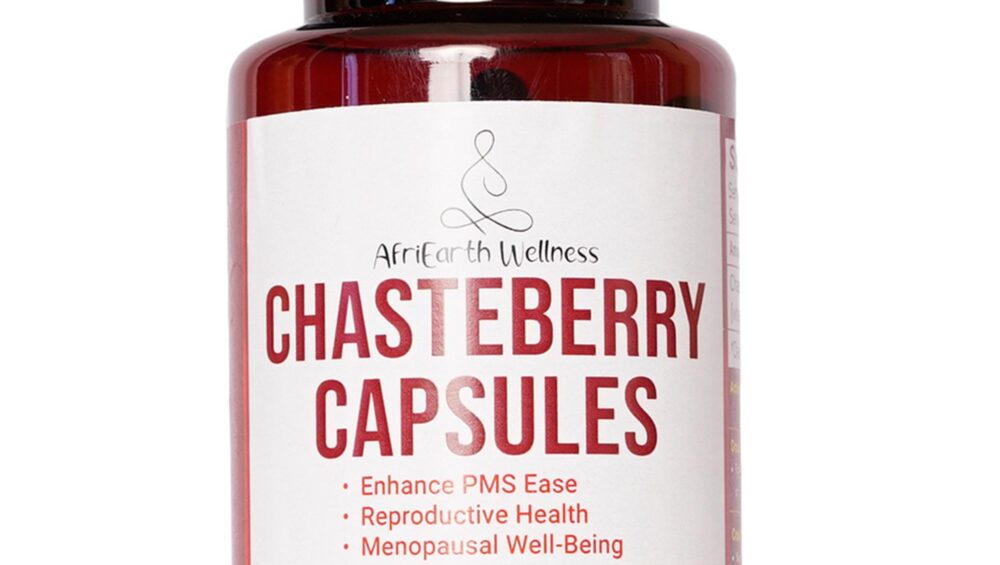
  • Chasteberry – supports progesterone balance

👉 Best for: PMS symptoms, irregular periods


2. Supplements That Support Hormones

For deeper support, supplements can help address internal imbalances.

Key supplements include:

These are available as part of our wellness range at Vobyl Tea & Wellness.


3. Lifestyle Support

Natural support works best when combined with:

  • Balanced meals (reduce sugar spikes)
  • Proper sleep
  • Stress management
  • Regular movement

Why Your Current Approach May Not Be Working

Many women try random teas or supplements without addressing the root cause.

This leads to:

  • Temporary relief
  • No real cycle regulation
  • Frustration

The key is a consistent, system-based approach.


A Smarter Approach: Supporting the Whole System

Instead of focusing on one symptom, support:

  • Blood sugar
  • Stress levels
  • Nutrient intake

This is the approach we use at Vobyl Tea & Wellness — combining herbal teas with targeted supplements for full-body support.


Final Thoughts

Hormonal imbalance is not a permanent condition.

With the right support, your body can return to balance.

Consistency, proper nutrition, and the right herbal support make a significant difference over time.


 Shop Hormonal Support in Kenya

Explore natural teas and supplements designed to support your body:

👉 www.vobyltea.com

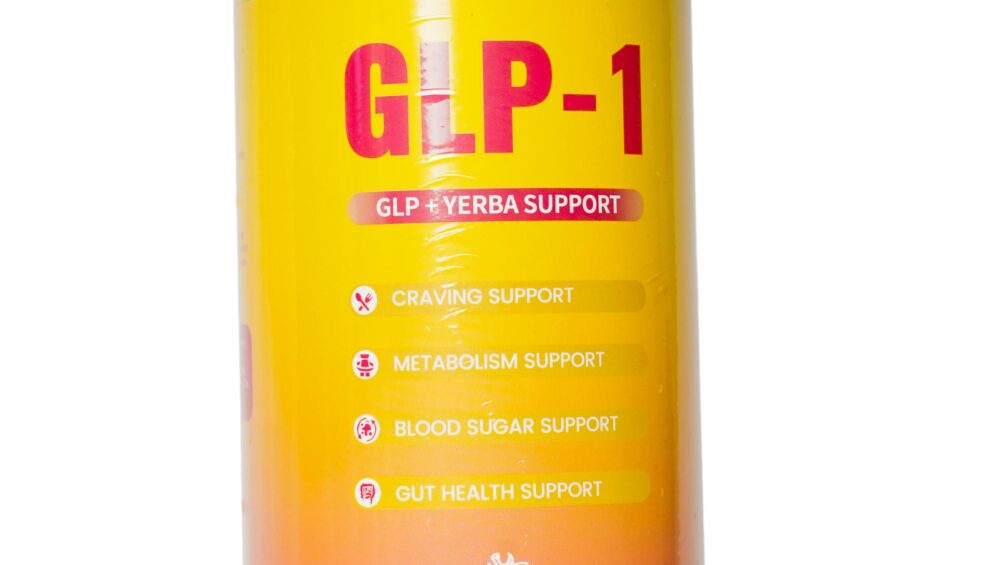
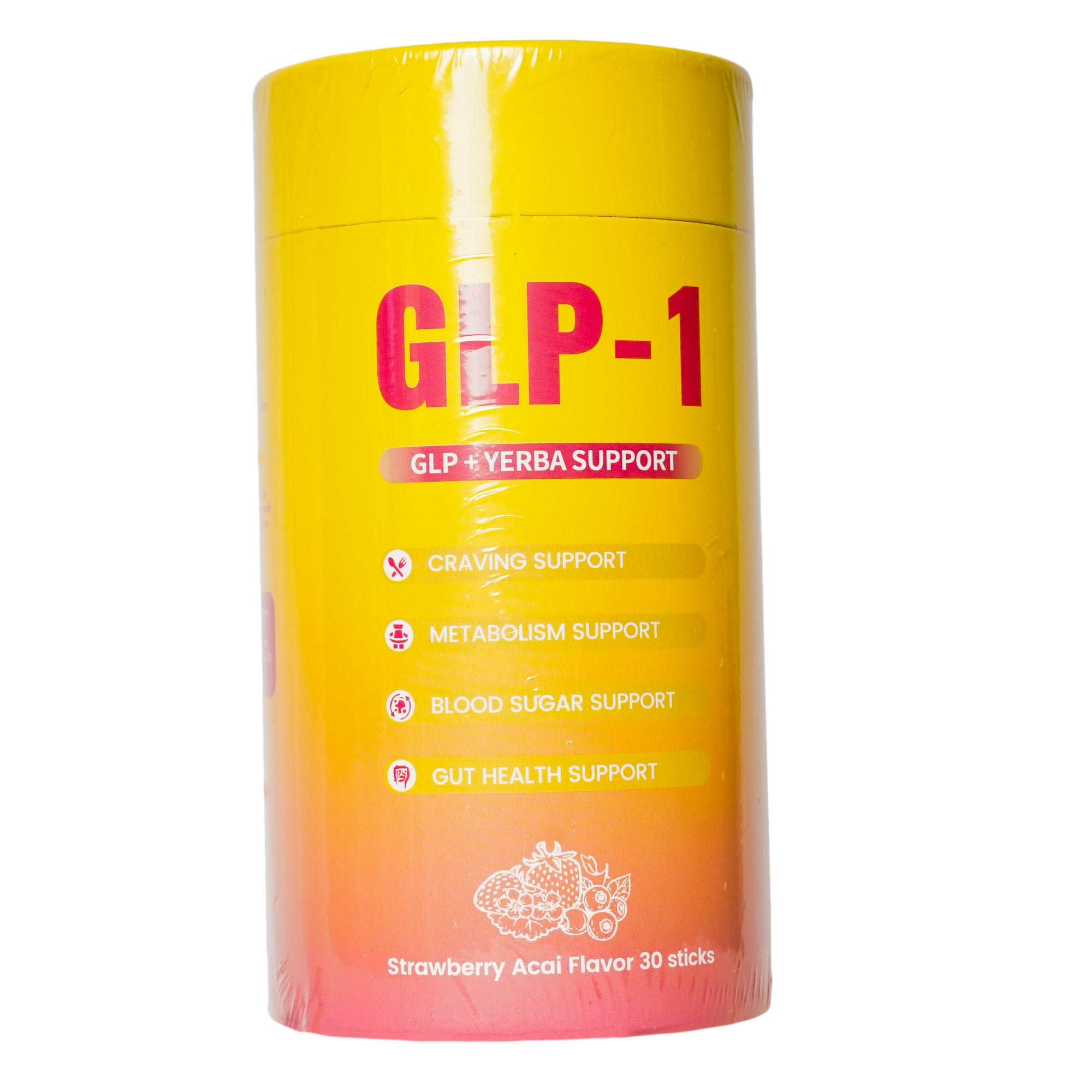
GLP-1 for PCOS in Kenya: How Berberine, Cinnamon & Chromium Help Control Weight and Hormones

PCOS is becoming one of the most common hormonal conditions affecting women in Kenya and across Africa. Many women struggle with stubborn weight, sugar cravings, irregular periods, acne, and fatigue — even when they eat carefully.

At the root of most PCOS cases is insulin resistance, and this is where GLP-1 support becomes powerful.


What is GLP-1?

GLP-1 (glucagon-like peptide-1) is a natural hormone made in the gut.
It controls:

  • Appetite and fullness
  • Blood sugar levels
  • Insulin release
  • How fast food leaves the stomach

When GLP-1 is working well, you feel full sooner, crave less sugar, and your blood sugar stays stable.

In PCOS, GLP-1 signaling is often weak.


Why GLP-1 matters for PCOS

Low GLP-1 activity leads to:

  • Constant hunger
  • Sugar cravings
  • High insulin
  • Fat storage
  • Irregular ovulation

This creates the cycle many PCOS women know:
eat → spike sugar → store fat → crave more → hormones worsen


How berberine, cinnamon & chromium support GLP-1

Your GLP-1 formula works by supporting the body’s natural appetite and insulin signals — not forcing them.

1. Berberine HCL

Berberine is one of the strongest natural compounds for insulin resistance.

It:

  • Lowers blood sugar
  • Improves insulin sensitivity
  • Helps activate GLP-1 pathways
  • Supports fat metabolism

For many PCOS women, berberine works similarly to metformin — without the side effects.


2. Cinnamon bark extract

Cinnamon helps:

  • Slow down sugar absorption
  • Reduce blood sugar spikes
  • Improve insulin response
  • Support appetite control

This reduces the crash-and-crave cycle common in PCOS.


3. Chromium picolinate

Chromium helps insulin move glucose into cells.

This means:

  • Less sugar stays in the blood
  • Less is turned into fat
  • Cravings drop
  • Energy improves

What GLP-1 support feels like

Women using GLP-1-supporting nutrients often notice:

  • Smaller portions feel enough
  • Less sugar craving
  • More stable energy
  • Reduced bloating
  • Weight becomes easier to manage
  • Periods start to regulate

Why this matters for PCOS

When insulin and GLP-1 improve:

  • Testosterone drops
  • Ovulation improves
  • Fat storage reduces
  • Acne and hair issues calm down
  • Fertility becomes easier

This is why GLP-1 support is one of the most effective strategies for PCOS today.


Is GLP-1 support safe?

Natural GLP-1 support using berberine, cinnamon, and chromium works with your body’s systems — it does not override them like injections or drugs.

This makes it suitable for long-term PCOS support.Support by learning more from the link below


https://vobyltea.com/shop/deals-of-the-day/glp-1/

Final thoughts

PCOS is driven by insulin and appetite hormones.
Supporting GLP-1 allows the body to:

  • Eat less naturally
  • Balance blood sugar
  • Calm ovarian hormones
  • Reduce fat storage

For women in Kenya and across Africa, this offers a powerful, natural way to regain control over PCOS.

How Natural Supplements Support PCOS Management

🌸 Introduction: Why Natural Support Matters in PCOS

Polycystic Ovary Syndrome (PCOS) affects millions of women worldwide, causing hormonal imbalance, irregular cycles, infertility, insulin resistance, and unwanted symptoms like acne or excess hair growth. While conventional treatments exist, natural supplements and herbs can play a powerful role in balancing hormones and improving metabolic and reproductive health.

At Vobyl Tea & Wellness, we believe in combining tradition with science to give women safe, effective options for long-term PCOS management. Below, we outline key supplements and herbal allies that can help.


🌞 Vitamin D3 + K2: Hormonal Harmony & Insulin Sensitivity

Vitamin D3 improves insulin resistance, one of the root causes of PCOS, while Vitamin K2 supports calcium metabolism and reproductive health. Together, they may regulate ovulation and improve cycle regularity.


💊 DHEA: Supporting Ovarian Function

DHEA (dehydroepiandrosterone) can support ovarian function and improve egg quality. For women with PCOS struggling with infertility, balanced DHEA levels may enhance fertility outcomes.


⚖️ DIM (Diindolylmethane): Estrogen Balance

DIM, a compound from cruciferous vegetables, supports healthy estrogen metabolism. It reduces estrogen dominance, which can worsen PCOS symptoms like irregular periods and fibroids.


💪 ZMA (Zinc + Magnesium + B6): Hormone & Sleep Support

  • Zinc supports ovulation and reduces excess androgens.
  • Magnesium improves insulin sensitivity and eases PMS.
  • Vitamin B6 helps regulate mood and progesterone.

This combination provides comprehensive hormone and sleep support, which are both essential in managing PCOS.


🌿 Inositol: Gold Standard for PCOS Fertility

Inositol (myo-inositol and D-chiro inositol) restores ovulation, improves egg quality, reduces insulin resistance, and supports weight management. It’s one of the most researched natural supplements for PCOS.


🩸 Berberine: Natural Insulin Regulator

Berberine lowers blood sugar, reduces insulin resistance, and supports weight loss. It may work similarly to metformin but in a natural way, making it a favorite among women managing PCOS.


⚡ Magnesium: Stress & Metabolism Support

Magnesium lowers cortisol, improves insulin sensitivity, reduces inflammation, and eases anxiety — all important for hormone balance in PCOS.


🌴 Saw Palmetto: Anti-Androgen Support

Saw Palmetto reduces excess androgens, helping with hirsutism (unwanted hair), acne, and hair thinning — common struggles for women with PCOS.


🍃 Ceylon Cinnamon + Berberine + Ginseng + Turmeric + Apple Cider Vinegar: Metabolic Power Combo

  • Cinnamon & Berberine: regulate blood sugar.
  • Ginseng: improves energy & reduces inflammation.
  • Turmeric: lowers inflammation linked to insulin resistance.
  • Apple Cider Vinegar: supports gut health and glucose balance.

Together, they target weight management, insulin sensitivity, and overall metabolic balance.


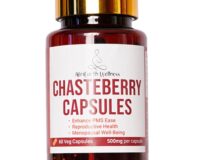
🌺 Chasteberry (Vitex Agnus-Castus): Cycle Regulation

Chasteberry supports luteinizing hormone (LH) and progesterone, helping regulate cycles, reduce PMS, and improve fertility outcomes.


🌿 Dong Quai: The Female Ginseng

Traditionally used in Chinese medicine, Dong Quai improves blood flow to the reproductive system, balances estrogen, and relieves menstrual cramps.


🌱 Spearmint: Anti-Androgen Tea

Spearmint tea reduces free testosterone, easing symptoms like excess facial hair and acne. It’s one of the gentlest, most popular PCOS herbal teas.


🌸 Conclusion: A Holistic PCOS Approach

PCOS is not just about one pill or one herb — it’s about creating balance across hormones, metabolism, and lifestyle. Supplements like Vitamin D3K2, Inositol, Berberine, and Spearmint, when combined with a healthy diet and lifestyle, can transform how women experience PCOS.

👉 Explore trusted supplements and wellness teas at Vobyl Tea & Wellness — your partner in natural PCOS support.


Nootropics

🧠 Unlock Your Brain’s Full Potential with the Ultimate Nootropic Stack

Looking to boost focus, memory, and mental clarity naturally? Whether you’re a student preparing for exams, a busy professional, or a creative thinker — this nootropic stack is designed to help you stay sharp without the crash.

At Vobyl Tea & Wellness, we combine clinically-studied adaptogens, brain-boosting mushrooms, and essential nutrients to create a natural cognitive enhancer that works synergistically.


🌿 Adaptogens & Herbal Brain Boosters

Keywords: Ashwagandha for focus, Ginkgo Biloba memory booster, Valerian root sleep support

  • Ashwagandha: Reduces stress and cortisol, helping you stay calm and focused.
  • Ginkgo Biloba: Increases blood circulation to the brain for better memory and faster recall.
  • Valerian Root: Supports deep, restful sleep and reduces anxiety.
  • Cat’s Claw: Potent antioxidant that protects neurons from oxidative damage.

Best for stress management, mental clarity, and improved concentration.


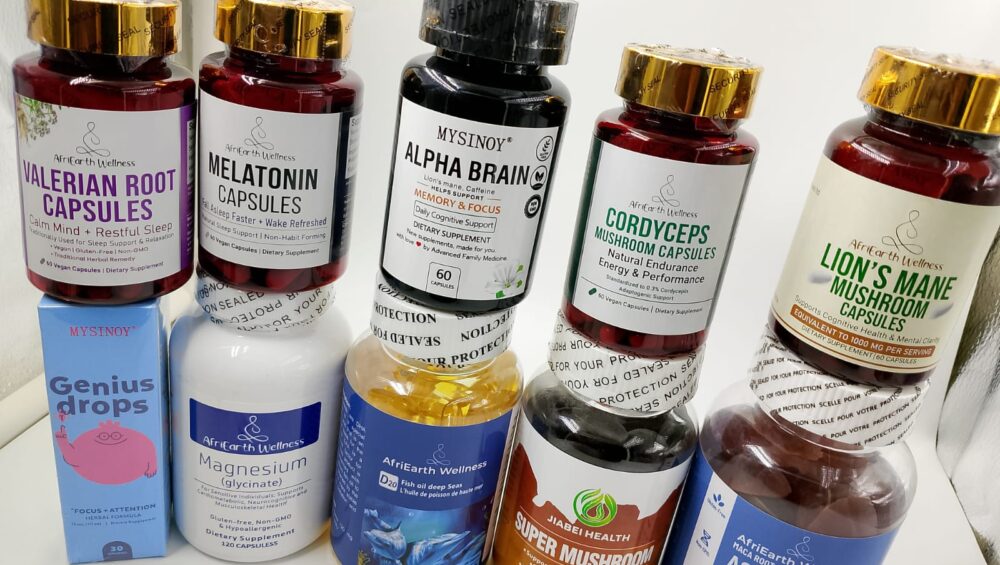
🍄 Super Mushroom Complex – Natural Nootropic Power

Keywords: Lion’s Mane for memory, Reishi stress relief, Cordyceps energy, Chaga immune support

Our premium medicinal mushroom blend includes:

  • Lion’s Mane Mushroom: Stimulates Nerve Growth Factor (NGF) for memory, learning, and neuroplasticity.
  • Reishi Mushroom: Promotes calmness, reduces stress, and supports overall mood.
  • Cordyceps Mushroom: Boosts oxygen uptake, energy, and focus.
  • Chaga, Maitake, Shiitake, Turkey Tail, Royal Sun, Black Fungus, White Button: Powerful immune-supporting antioxidants for long-term brain health.

Perfect for mental energy, immune support, and long-term cognitive performance.


💊 Amino Acids & Cognitive Support Nutrients

Keywords: L-Theanine focus, L-Tyrosine motivation, Phosphatidylserine memory supplement

  • L-Theanine: Enhances alpha brain waves for calm focus — works great with coffee.
  • L-Tyrosine: Builds dopamine and norepinephrine for motivation and alertness.
  • Phosphatidylserine: Supports memory retention and healthy brain cell membranes.
  • Pterostilbene: Advanced antioxidant that crosses the blood-brain barrier.

Ideal for professionals, students, and entrepreneurs who need peak mental performance.


🐟 Essential Brain Nutrients

  • Fish Oil (DHA & EPA): Improves brain structure, memory, and mood balance.
  • Vitamin B6: Supports neurotransmitter production for calmness and focus.

The essential foundation for brain health supplements.


🔑 Why This Nootropic Stack Works

Unlike single-ingredient “smart pills,” this stack supports your brain on multiple levels:

  • 🧘 Stress Relief & Calm Focus – Ashwagandha, Reishi, Valerian
  • 🧠 Memory & Learning – Lion’s Mane, Ginkgo Biloba, Phosphatidylserine
  • Energy & Motivation – L-Tyrosine, Cordyceps, Alpha Brain blend
  • 🛡 Long-Term Brain Protection – Mushrooms, Fish Oil, Pterostilbene

🛒 Shop the Brain Health Collection

Don’t just survive the day — thrive with clarity, energy, and focus.

👉 Shop Nootropics Now at Vobyl Tea & Wellness
✅ Free shipping on orders above Ksh 3,000
✅ Perfect for students, entrepreneurs, and anyone seeking mental performance

#Nootropics #BrainHealth #MemoryBoost #FocusSupplements #Lion’sMane #Ashwagandha #NaturalNootropics #VobylTea

Shopping cart close